

Blog
102 Programs, 1 Recurring Answer: “It Depends”
The same 5 water financing roadblocks keep coming up across 39 Clean Water and Drinking Water State Revolving Fund (SRF) ‘Ask Me Anything’ sessions with 800+ attendees. Here’s how to navigate these roadblocks, from our resident SRF expert.
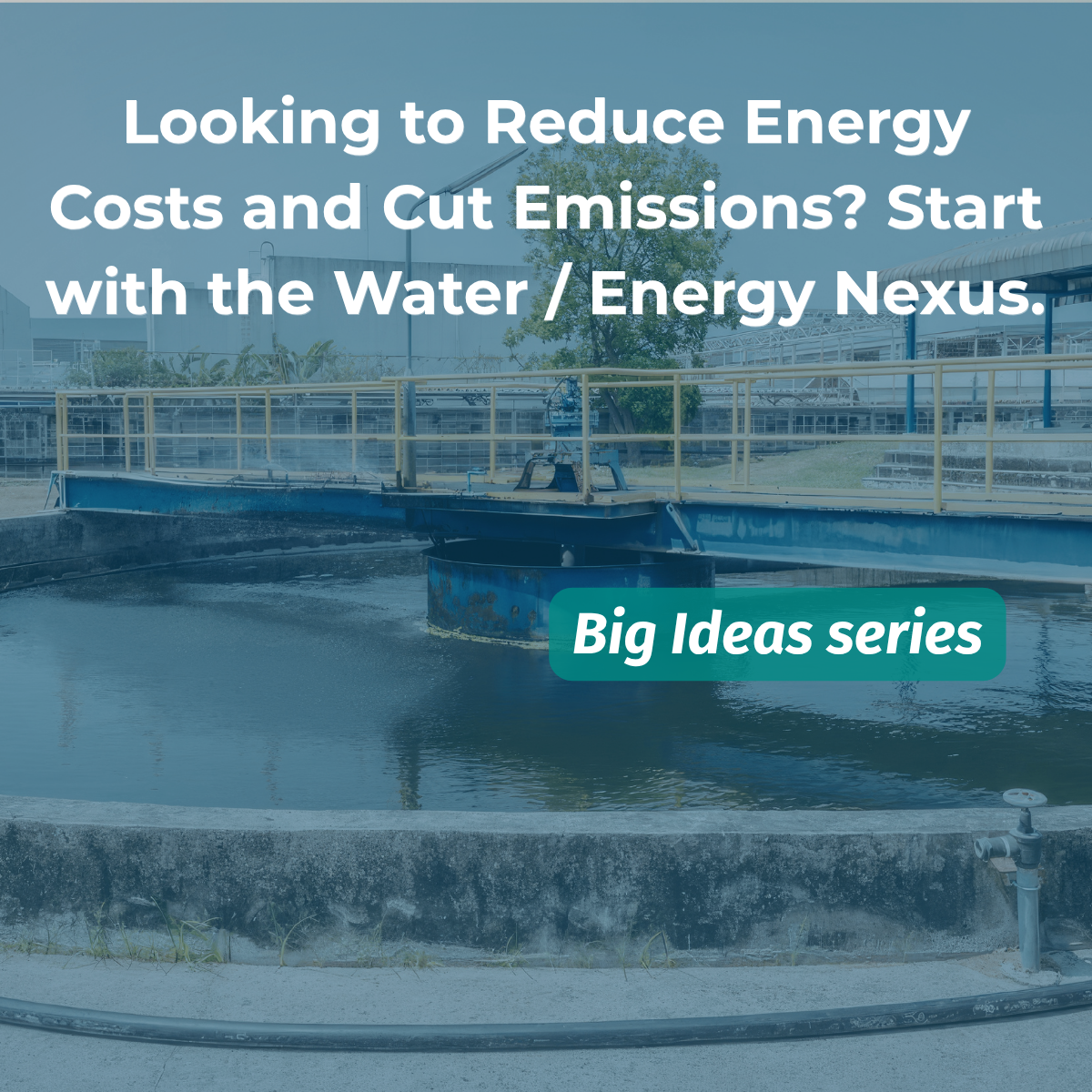
Looking to Reduce Energy Costs and Cut Emissions? Start with the Water / Energy Nexus.
Want to reduce energy costs? Start with water. Sounds counter-intuitive, but for many municipal governments water utilities are the single largest source of energy cost and emissions (30%-40% of municipal energy use). We need to focus more resources on the water / energy nexus. The good news is there are technical assistance programs and low-cost financial tools to do just that.
The End of Climate Finance as Usual: QV Looks Ahead to 2026
As 2025 comes to a close, we see opportunities everywhere. A rapid evolution in climate and environmental finance has led to the most interesting, practical innovations emerging from the places closest to land, water, food, and community infrastructure. In this blog we take a closer look at 3 of our partnerships to demonstrate where the field of climate finance innovation is heading.

Environmental Justice for Manufactured Home Community Residents: A Call to Conversation and to Action
In this blog, we shine a spotlight on the challenges faced by manufactured home communities (MHC) and and recommend 5 actions we should take to improve the quality of life for the MHC residents of today and tomorrow.
Green Banks and Nature-Based Solutions: How to Make the Most of the Greenhouse Gas Reduction Fund
We recommend two key actions for the U.S. EPA’s Greenhouse Gas Reduction Fund to realize its full potential to reduce emissions, mobilize private capital, and address historic environmental inequalities.
1. Broaden GGRF Scope to Enable Financing of Nature-Based Projects
2. Capitalize a National Green Bank and Empower it to Leverage the Full Array of Funding Opportunities

Pathways to Greater Partnerships and Investment at the Health-Water Nexus to Improve Community Health Outcomes and Resilience
People are healthier when they have access to clean water and natural infrastructure amenities. Identifying the population health benefits of public infrastructure projects opens the door to more public-private partnerships – offering private actors an opportunity to finance solutions that close budget gaps for public infrastructure AND drive measurable environmental and health improvements.