Four Questions Every Climate, Resilience, and Nature-Based Project Must Answer to Get Financed
By Amie Fleming, Senior Director
I’ve worked at QV for seven years, and in that time, I’ve watched good projects stall for a reason that has nothing to do with whether the idea works. The science is sound, the need is real, the team is capable, and the money still doesn’t come together.
When I look back at those projects, the pattern is usually the same: they solved for the problem and assumed the financing would follow.
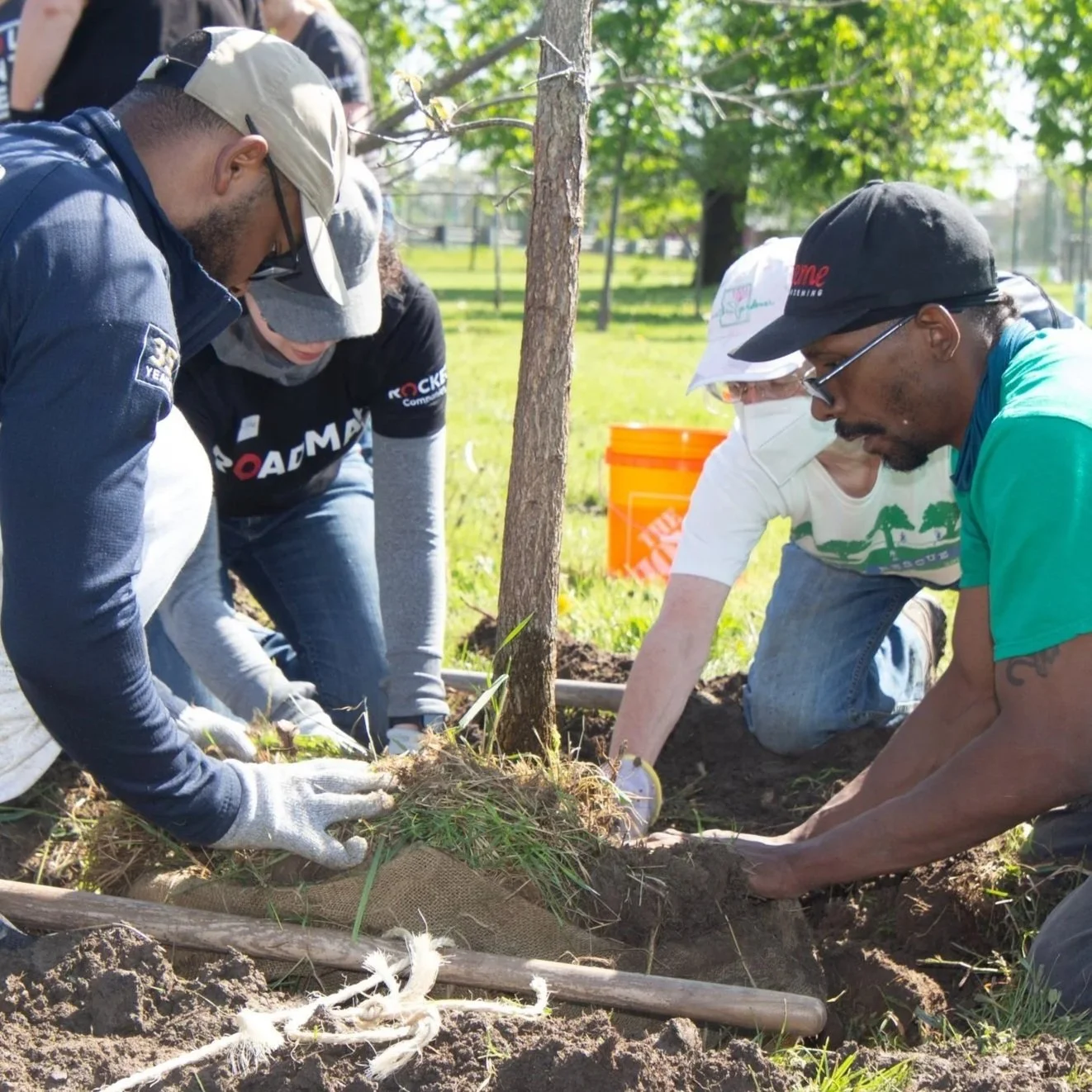
This trend is exacerbated by the significant pendulum swing in the availability of funding for nature-based projects. Shifting funder priorities, investor mandates, and changes at all levels of government have had a big impact on what gets prioritized and what gets accomplished in climate, resilience, and nature-based solutions. These large changes across the funding landscape mean the traditional avenues of advancing nature-based work are under strain and are able to serve fewer and fewer organizations well.
Based on our experience across hundreds of projects and geographies, Quantified Ventures has identified four key elements that position climate, resilience, and nature-based solutions projects for financial success. The gaps that appear in these elements under closer inspection are what separates projects that advance from projects that stall.
The keys to closing these gaps and securing financing lie in the answers to four questions:
Are you solving a real problem, credibly?
Have you rightsized your fundraising target?
Are you recycling and stretching limited funding for greater impact?
Have you designed a financing solution to access a broader, more diverse funding ecosystem?
Financing Requires its Own Solution
The terms funding and financing are often used interchangeably, but they have key differences when it comes to strategies for securing each. Funding—such as grants and philanthropic gifts—focuses on impact and mission. Financing—such as loans, bonds, or equity investment—comes with its own set of expectations, principal of which is repayment.
Every nature-based project has to solve two problems: the programmatic problem it exists to address, and the financial problem of how it gets built and sustained over time.
For a long time, grants and philanthropy have let organizations focus almost entirely on the first. But as grant funding becomes scarcer and more challenging to access, projects will need to invest additional time and resources into their financing strategies.
Mission-driven organizations are used to solving programmatic challenges, but far less successful at seeking and securing financing. And financing cannot be an afterthought; it carries as much importance as the programmatic solution.
While grantmakers often look for strong impact and a clear theory of change, investors have a different lens. They require rigorous analysis that ensures trustworthiness and credibility to make real progress and deliver on projected outcomes. A grantmaker might see an untested solution as a bold bet, but an investor may see the same solution as a risk to be priced.
Projects that can effectively demonstrate a credible, defensible financial solution alongside their programmatic plans will attract investors and partners who trust the project enough to champion it and invest.
The Questions a Credible Financial Solution Must Answer
Projects that are well positioned to navigate this shifting financial landscape have:
Confirmed they are solving a real problem, and proven they are the right ones to solve it;
Rightsized their project to their abilities;
Developed models that recycle their capital; and
Designed their solution to tap into all possible resources.
While investors will probe beyond these four areas, strong projects that have designed their financing solution around these organizing elements will be more resilient and more likely to bring their projects to fruition.
Are you solving a real problem, credibly?
Investable projects need to answer a few key questions well to secure financing, and as grants become scarcer, the value of demonstrating a project’s investability has only grown. A common challenge QV often sees in developing a strong financing solution is a disconnect between the problem a project seeks to solve, the demonstrated need for that solution, and that solution’s alignment with investment interests. Projects that are investment-ready must demonstrate credibility through real revenue streams or proven cost savings, and financial rigor.
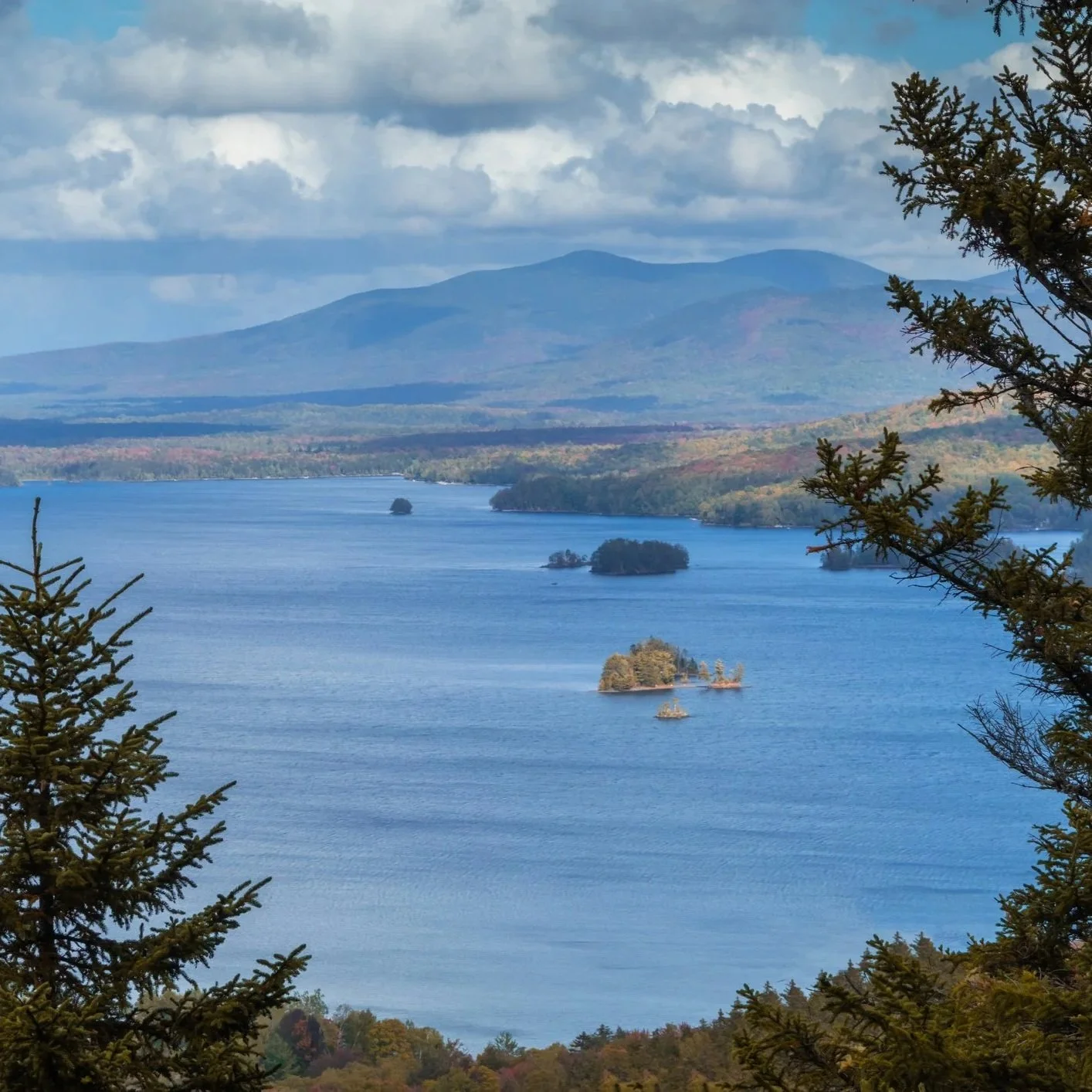
With the Exemplary Forestry Investment Fund (EFIF), our partners wanted to build on their deep conservation expertise by buying and holding land long term, thus enabling management per the Exemplary Forestry standards created by the New England Forestry Foundation. Doing so would solve for many key challenges facing Maine’s forests, which are understocked and experiencing significant landowner turnover and habitat fragmentation, among other issues. The financing challenge, however, was how to build and implement this solution, which required a completely different set of conversations and skills. Our financial solution required a blend of philanthropy, debt, and equity financing; credible repayment sources; validated financial models; and demonstration of experience and credibility to potential lenders. Mastering both the programmatic and financial solutions enabled the EFIF project to close on its first property in 2024 and build a replicable model to buy and hold Maine forestland for the long term.
Have you rightsized your fundraising target?

Long-term impact is often built stepwise, not all at once. Projects should consider financing opportunities that drive projects forward but recognize that financing comes with a set of limitations—particularly for projects or teams without a track record. Seeking financing for the first time often means adjusting to a pilot or demonstration scale to build a performance record, develop internal capacity, reduce risk, and enable learnings that can allow for more strategic growth at the next level.
QV has seen projects find it more difficult to secure capital if the project leaders don’t adjust their capital source strategy relative to their limited experience or higher risk profile. That said, QV is in the business of championing ambitious projects: while we often focus on financing the pilot, we are equally committed to selling the vision. In doing so, we’re able to show financing partners the impact the work could have beyond a pilot-scale project, and that is often what wins them over.
With the Soil and Water Outcomes Fund (SWOF), for example, demonstrating viability on the first 10,000 acres was crucial to prove the model. Yet the potential impact of the fund lay not just with those first 10,000 acres, but in its ability to scale to millions of acres. This cemented the larger partners that have enabled SWOF’s sustained growth and longevity. Investors are less likely to support projects that are very small and bespoke, preferring to see their funds as catalytic to broader investment and larger impact down the line.
Are you recycling and stretching limited funding for greater impact?
When government grants were more widely available for nature-based projects, the appeal of seeking “free” dollars over financing was clear: Financing requires repayment and often requires skills and oversight that many organizations have not built out. Now, with receding federal funding, financing has a larger role to play to fill the gap.
Projects that recycle capital, reinvesting project revenues into the project to reduce reliance on new external funds, are seen as more financially resilient and therefore better positioned to produce impact. With financing playing a larger role in projects, reducing the risks associated with regularly needing a large cash infusion puts a project at a real advantage when seeking capital.
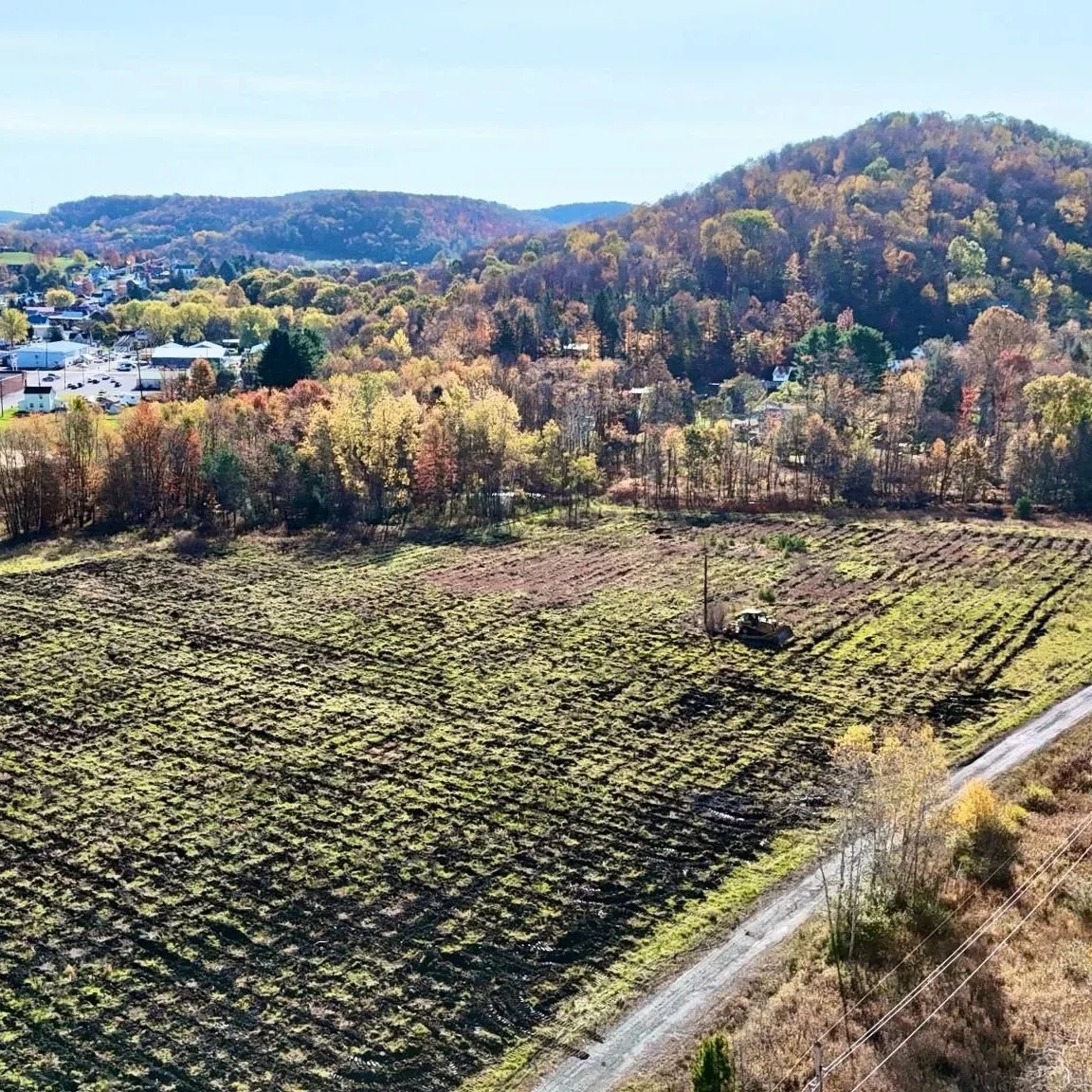
We relied heavily on government and philanthropic funding to launch the project to reforest legacy mine land (now Bosland Growth). But we always saw the pathway to financial sustainability with the sale of carbon credits from these reforestation projects to corporations and other organizations with sustainability goals. In January 2026, Bosland Growth and Suntory announced a 20-year partnership to support landowner engagement, site preparation, and tree planting. Revenues from this sustainability partnership are being funneled directly back into reforestation initiatives.
Have you designed a financing solution to access a broader, more diverse funding ecosystem?
The last 24 months have proven how much can change in a funding landscape. Innovative projects may feel like they have suffered a setback given the many changes, but QV is still seeing capital sources demonstrate an appetite and an ability to provide resources for innovation that solves real problems.

Models that are designed to access broader sources of funding – like public-private partnerships that can tap into a full spectrum of funding sources – can be strategic in setting a project up for success when funding and financing feel uncertain. These models are inherently more resilient to funding changes because they limit the degree to which they rely on a single source, bolstering the project’s ability to withstand major economic or political shocks.
Many of our outdoor recreation projects are looking to crowd in additional sources of funding. This includes efforts to add campgrounds or lodging to bring in revenues through overnight visitors. Vermont Huts & Trails built a funding plan that tapped into federal funding, state grants, private philanthropy, and revenues from hut facility use fees. This broad array of funding and financing sources distributed risk. In addition, Vermont Huts & Trails was able to reinvest revenues into the organization, which provided the flexibility to support debt repayment, cover some operations and maintenance costs, or help build out new facilities. These revenues will also insulate the organization from operational risks in the long-term.
Piecing Together a Solution
Pulling all the right pieces together to access project financing is challenging. QV is doubling down on our work with projects that have quantifiable goals and a clear throughline to deliver the nature-based outcomes we want to see realized.
If market changes are creating new challenges and opportunities for your organization, you’re not alone. Reach out so we can learn more and explore working together.
In our first conversation, we’ll walk through your project, intended outcomes, key stakeholders, and how you are addressing the four key questions we lay out in this blog. We will propose new ideas and approaches that widen the aperture of potential partners and capital providers, before focusing in on key financing targets. As a project partner, we get in the weeds with you, analyze your risks, evaluate the feasibility of different pathways, and provide clarity about what financing can realistically support.
QV puts the development of a sound financial solution on equal footing with a project’s programmatic solution. In doing so, we’re able to help ambitious partners attract capital to actionable, impact-oriented work.