
By Abby Singer
We can’t grant our way to landscape-scale restoration. The current funding system — reimbursement-based, fragmented, and slow — was never designed for the speed or scale this moment demands.
Across the country, strong conservation projects are ready to move. The science is sound. Landowners are willing. Communities are supportive. But when organizations are expected to front capital and wait months for reimbursement, even well-funded initiatives slow down. Momentum breaks. Costs rise. Opportunities disappear.
What stalls progress isn’t commitment. It’s cash flow. And Quantified Ventures is changing that.
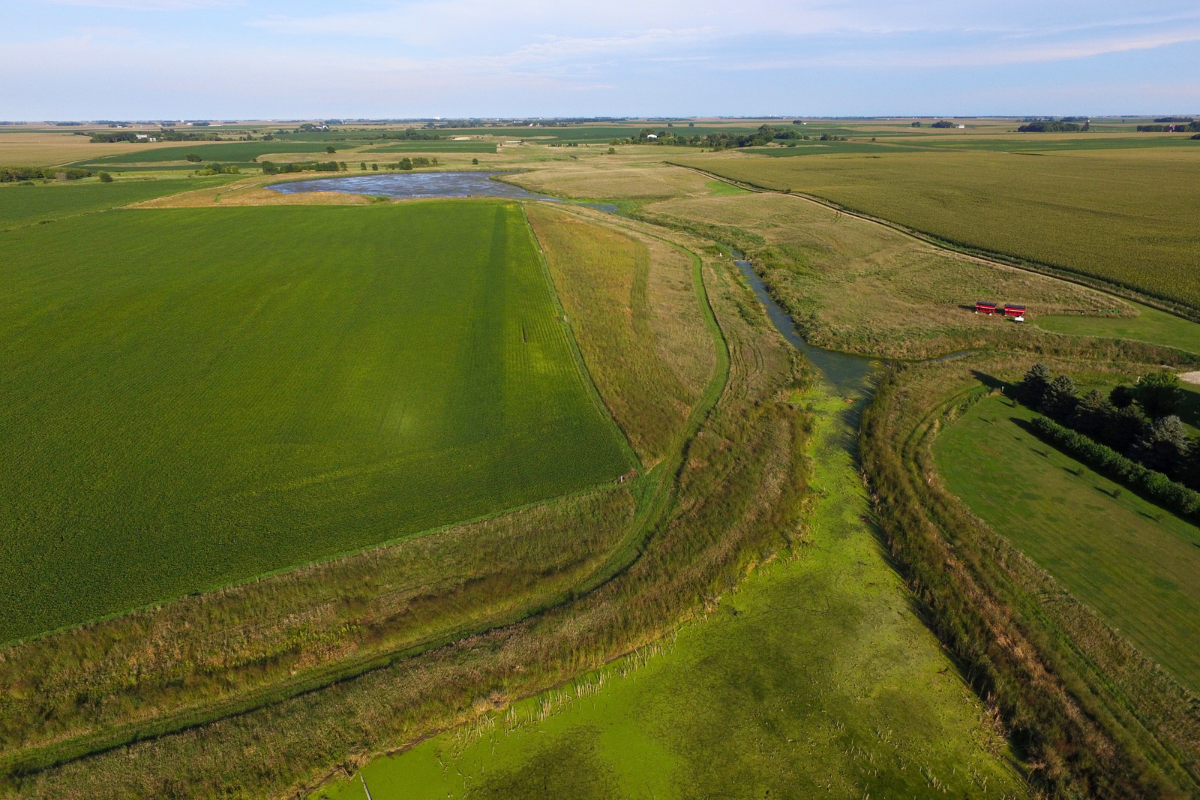
Image courtesy of Great Outdoors Foundation
What That Looks Like in Practice
In Iowa, QV is working with the Great Outdoors Foundation (GOF) to fundamentally change how water quality restoration is financed. Instead of implementing projects one grant at a time, GOF can now access upfront capital for a bundle of projects based on committed future revenue streams. QV structured a model that blends philanthropic commitments with corporate payments for water quantity outcomes, creating a credible repayment pathway that supports low-interest financing.
That means wetlands and natural buffers on marginal cropland don’t wait for the next reimbursement cycle. They move when the land is ready. The projects improve water quality and quantity, reduce downstream flood risk, create habitat, and support local recreation – on a timeline driven by ecological opportunity, not grant disbursement schedules.
In Colorado, we are applying the same capital discipline to agricultural land conservation. Rapid urbanization has pushed land prices beyond what traditional conservation funding can compete with. Working with Colorado West Land Trust, QV helped adapt a buy-protect-sell model that uses program-related investments to increase purchasing power and speed.
Properties are acquired, protected through conservation easements, and resold. Repayment is supported through a combination of lease revenue during the holding period, land value appreciation, and transferable conservation tax credits.
Designing Capital That Moves at the Right Time
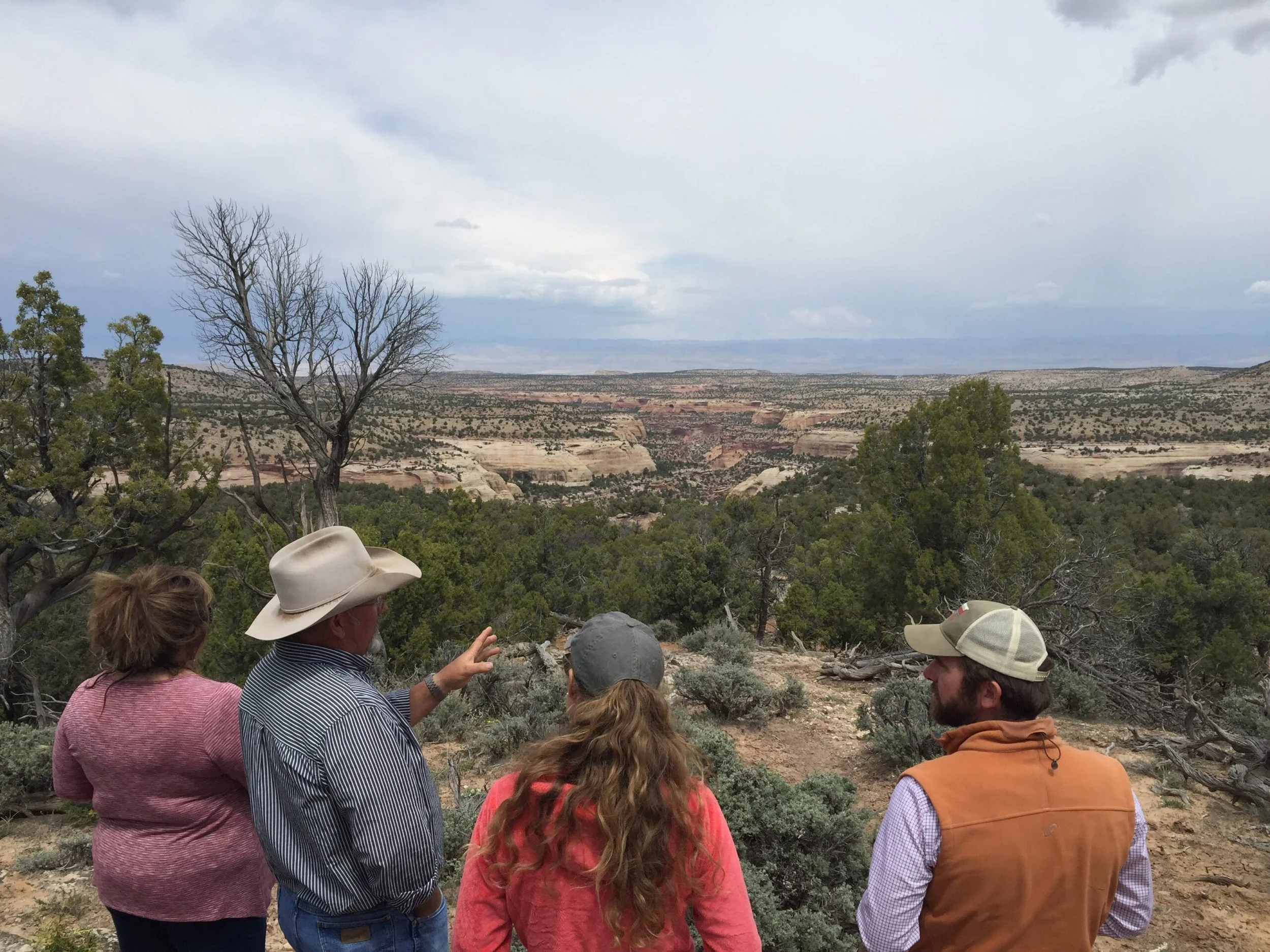
Image courtesy of Colorado Land Trust
Financing only works when repayment is credible and risk is intentional. At QV, we work with partners to design structures that align revenue, timing, and outcomes before capital is deployed.
That means identifying dependable payors — whether through lease income, asset sales, ecosystem service markets, corporate demand, policy-backed incentives, or philanthropic commitments — and underwriting those pathways rigorously.
An investment-ready model does not begin with capital. It begins with defining:
Who pays?
When do they pay?
Under what conditions?
What risks are we carrying and who is best positioned to hold them?
When those questions are answered, financing becomes an accelerant rather than a burden.
Blending Patient Capital With Public Purpose
Across the country, mission-driven investors and foundations are increasingly deploying patient capital to advance conservation goals. Program-related investments, low-interest loans, and revolving credit facilities can provide upfront liquidity without imposing market-rate pressure on ecological outcomes.
When structured thoughtfully, these instruments do more than fill gaps. They amplify public and philanthropic dollars by smoothing timing mismatches and allowing projects to proceed when on-the-ground conditions are right. Financing suddenly makes grants catalytic.
Thinking Like an Investor — Without Losing the Mission
Scaling conservation requires a shift in mindset as much as a shift in capital. Organizations must understand cash flow timing, repayment mechanics, and risk allocation with the same discipline applied to ecological science. They must weave together multiple funding sources into cohesive capital stacks rather than treating each grant as a standalone effort.
At QV, we evaluate financing readiness, model repayment scenarios, align project outcomes with revenue, and structure transactions that balance mission and risk. Our work in Iowa and Colorado offers a blueprint to sustainably scale conservation and shows what’s possible when organizational leaders embrace a growth mindset.
The Bottom Line
Conservation requires capital infrastructure that matches the urgency of the moment, reduces friction, distributes risk appropriately, and allows strong projects to move when they are ready.
When financing is structured strategically, it accelerates impact, stretches limited funding, and delivers measurable outcomes for ecosystems and communities alike. And that is how restoration will move from pilot projects to landscape scale.
